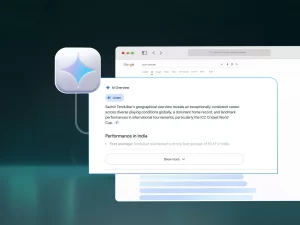
In today’s fast-paced digital world, users expect quick and accurate answers to their queries. Traditional SEO, while still important, is no longer enough to meet the demands of evolving search behavior. Search engines and AI-driven technologies are shifting their focus toward delivering direct, concise answers rather than simply listing web pages.
This shift has given rise to Answer Engine Optimization (AEO) — a strategy designed to position your content as the go-to source for immediate answers. In this blog, we’ll explore what AEO is, why it matters, and how you can optimize your website to stay ahead in the future of search.
What is Answer Engine Optimization (AEO)?
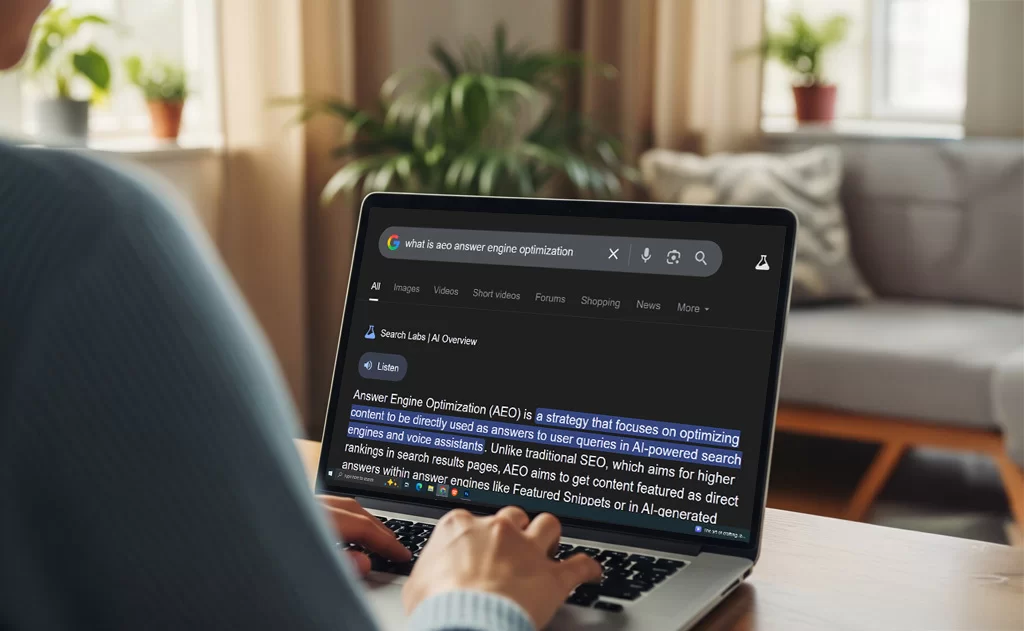
Answer Engine Optimization (AEO) is the process of structuring your content to directly answer users’ questions, making it easier for search engines, voice assistants, and AI tools to extract and present your content as a direct response.
While traditional SEO focuses on ranking full pages based on keywords, AEO focuses on ensuring that your content is selected to provide immediate, accurate answers.
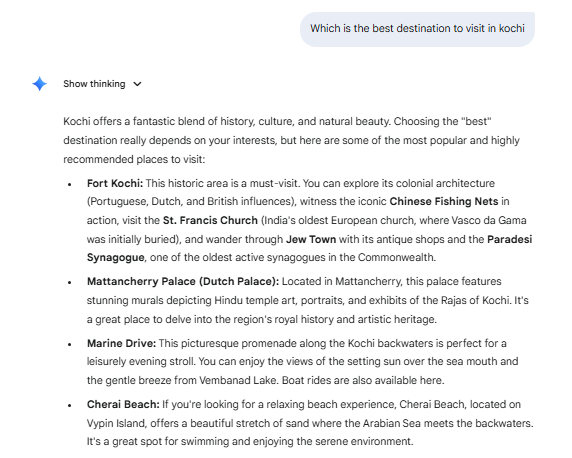
You often see AEO in action through:
- Featured snippets on Google (text-based answers shown at the top of results).
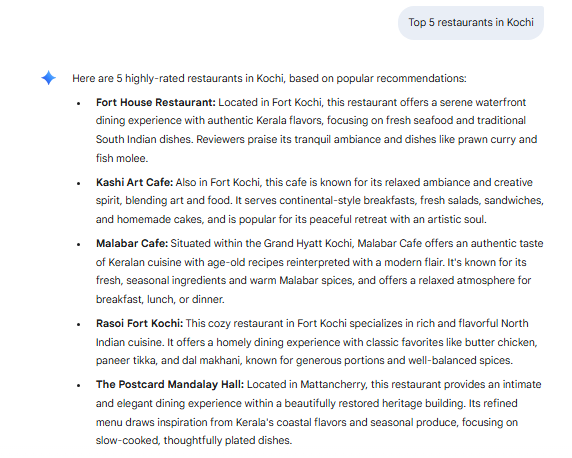
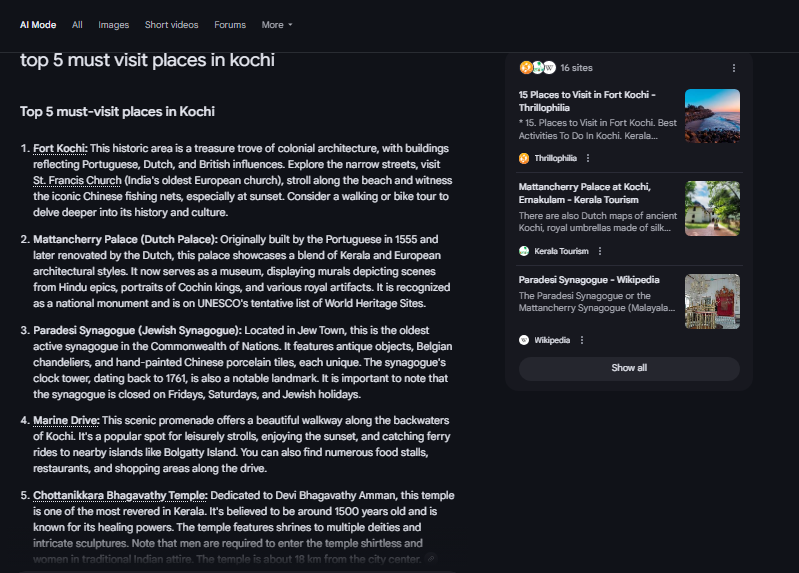
- AI-generated answers in platforms like Google SGE (Search Generative Experience), Perplexity AI, and You.com.
- Voice and multimodal results from tools like Google Gemini, OpenAI’s GPT-4o voice assistant, and Apple Intelligence (Siri with ChatGPT integration).
- Conversational search interfaces in next-gen browsers and devices powered by LLMs.
By optimizing for AEO, you not only increase your visibility across emerging platforms, but also build trust and authority by delivering instant, context-aware value to your audience — whether they’re searching by text, voice, or a combination of both.
Why AEO Matters
The Shift in User Behavior
Modern users want fast, reliable information. With the rise of voice searches and conversational AI, people increasingly prefer direct answers over browsing through multiple web pages.
The Rise of Voice and AI Search
Voice assistants and AI platforms rely heavily on pulling quick, structured answers from reliable sources. AEO ensures your content is among the chosen few.
Benefits of AEO
-
- Increased Visibility: Being featured as a direct answer puts you at the top of search results.
- Higher Trust and Authority: Quick answers build brand credibility.
- Improved Click-Through Rates: Users are more likely to visit trusted sources that provide helpful information immediately.
- Enhanced User Experience : AEO naturally leads to creating clearer, more structured, and more helpful content, which improves the overall user experience.
- Better Adaptation to Voice and AI Search : As voice search and AI-driven query responses grow in popularity, AEO positions your content to be read aloud by voice assistants or featured in AI-generated search results.
How AEO Works
Answer Engine Optimization (AEO) focuses on helping search engines and AI systems easily identify, extract, and display the best possible answer to a user’s query. Unlike traditional SEO, where the goal is to rank a web page highly, AEO’s goal is to position a specific piece of information from your content as the most accurate and relevant answer.
Here’s how it works:
- Understanding the User Intent: Search engines analyze the user’s query to determine what kind of answer is expected — a definition, a step-by-step guide, a list, or a simple fact. Content optimized for AEO is structured in a way that directly addresses that intent.
- Extracting the Best Match: Search engines scan through billions of web pages to find the clearest and most relevant answer. They prefer content that is well-organized, easy to understand, and authoritative.
- Highlighting Structured Content: When your content uses structured data like FAQ schema, How-To schema, or Q&A schema, it becomes easier for search engines to recognize the exact piece of information that answers the question.
- Displaying the Answer: Once identified, the answer is displayed in a special format such as a featured snippet, a knowledge panel, or read aloud through a voice assistant. Often, users get their answers without even clicking through to the website, making the quality and clarity of your content more important than ever.
Key AEO Optimization Techniques
a. Target Question-Based Queries
Focus on creating content that answers common user questions. Use tools like “People Also Ask” on Google or AnswerThePublic to find popular queries in your niche.
b. Provide Clear, Concise Answers
Aim to deliver the answer in the first 40–60 words of your content. Follow it with a deeper explanation if needed.
c. Implement Structured Data Markup
Use FAQ, HowTo, or Q&A schema to help search engines understand and categorize your content efficiently.
d. Optimize for Voice Search
Write in a conversational tone. Voice searches tend to use natural language, so match your content accordingly.
e. Create FAQ Sections and Knowledge Content
Building a robust FAQ page or knowledge base increases the chances of your content being picked for featured snippets or voice responses.
f. Enhance Page Speed and Mobile Experience
Since many users search via mobile devices and voice assistants, ensure your website is fast, responsive, and mobile-friendly.
AEO vs SEO: Key Differences
| Aspect | SEO | AEO |
| Focus | Keyword-based | Intent and question-based |
| Goal | Rank full pages | Deliver quick, direct answers |
| Strategy | Link building, on-page optimization | Structured content, concise responses |
| User Experience | User navigates to find answers | User receives instant answers |
While SEO and AEO work hand-in-hand, AEO places a stronger emphasis on understanding and directly fulfilling user intent.
AEO Audit: How to Evaluate and Improve Your Website for Answer Engine Optimization
An AEO Audit is a systematic review of your website’s content, structure, and technical elements to ensure it is optimized for answer engines, voice assistants, and AI-driven search platforms. Conducting an AEO audit helps you identify gaps, uncover opportunities, and prioritize actions that will increase your chances of being selected as a direct answer source. Let’s see the importance of performing an AEO Audit?
- Pinpoint areas where your content can better address user questions.
- Ensure your site is structured for easy extraction by search engines and AI.
- Stay ahead of competitors in featured snippets, voice search, and AI answers.
Step-by-Step AEO Audit Checklist
1. Identify Target Questions
- List the most common and relevant questions your audience is asking.
- Use tools like Google’s “People Also Ask,” AnswerThePublic, and AlsoAsked to discover trending queries in your niche.
- Review your site’s search analytics to find user intent and question-based queries.
2. Evaluate Content Clarity and Structure
- Check if your content provides clear, concise answers within the first 40–60 words.
- Ensure each page addresses a specific question or intent.
- Use headings, bullet points, and numbered lists to improve readability.
3. Assess Use of Structured Data
- Verify that FAQ, HowTo, and Q&A schema are implemented where appropriate.
- Use schema markup generators to create and validate your structured data.
- Test your pages with Google’s Rich Results Test to ensure proper schema deployment.
4. Review for Voice and Conversational Optimization
- Ensure your content uses a natural, conversational tone.
- Answer questions in a way that sounds natural when read aloud by voice assistants.
- Avoid jargon and keep language simple and direct.
5. Check Technical Performance
- Test your website’s mobile responsiveness and page speed.
- Use tools like Google PageSpeed Insights and Mobile-Friendly Test.
- Ensure your site is accessible and loads quickly on all devices.
6. Audit FAQ and Knowledge Sections
- Confirm you have robust FAQ pages or knowledge bases that address a wide range of user questions.
- Make sure answers are up-to-date, accurate, and easy to find.
7. Monitor and Track AEO Performance
- Use Google Search Console to track featured snippet appearances and performance.
- Monitor voice search traffic and AI-driven answer placements if available.
- Regularly update and refine your content based on analytics and new user queries.
Tools & Resources for AEO
Here are some essential tools to support your AEO strategy:
- AnswerThePublic: Discover popular user questions.
- AlsoAsked: Visualize related questions users are searching.
- Google’s “People Also Ask”: Identify trending question queries.
- Schema Markup Generators: Easily create structured data markup.
- Google Search Console: Monitor and track featured snippet performance.
Leveraging these tools can significantly improve your content’s chances of being selected as an answer source.
Common Mistakes to Avoid
- Ignoring Structured Data: Without schema markup, search engines might struggle to interpret your content.
- Overcomplicating Answers: Keep it simple and to the point.
- Not Targeting Conversational Queries: Voice searches demand natural, everyday language.
- Focusing Only on Keywords: User intent is more important than simply matching keywords.
Avoiding these common mistakes ensures your AEO strategy is effective and future-proof.
Conclusion
The future of search is about providing direct, accurate answers — and Answer Engine Optimization is the key to achieving that visibility. By embracing AEO, you position your brand at the forefront of search engines, voice assistants, and AI-driven platforms.
Optimizing for AEO does not replace traditional SEO; it enhances it. AEO focuses on answering user questions quickly, building trust, and capturing new opportunities in an increasingly competitive search environment.
Start today: audit your existing content, identify key user questions, and restructure your pages with clear answers and structured data. With a thoughtful AEO strategy, your website can become the go-to resource for users — and search engines — in the digital age.