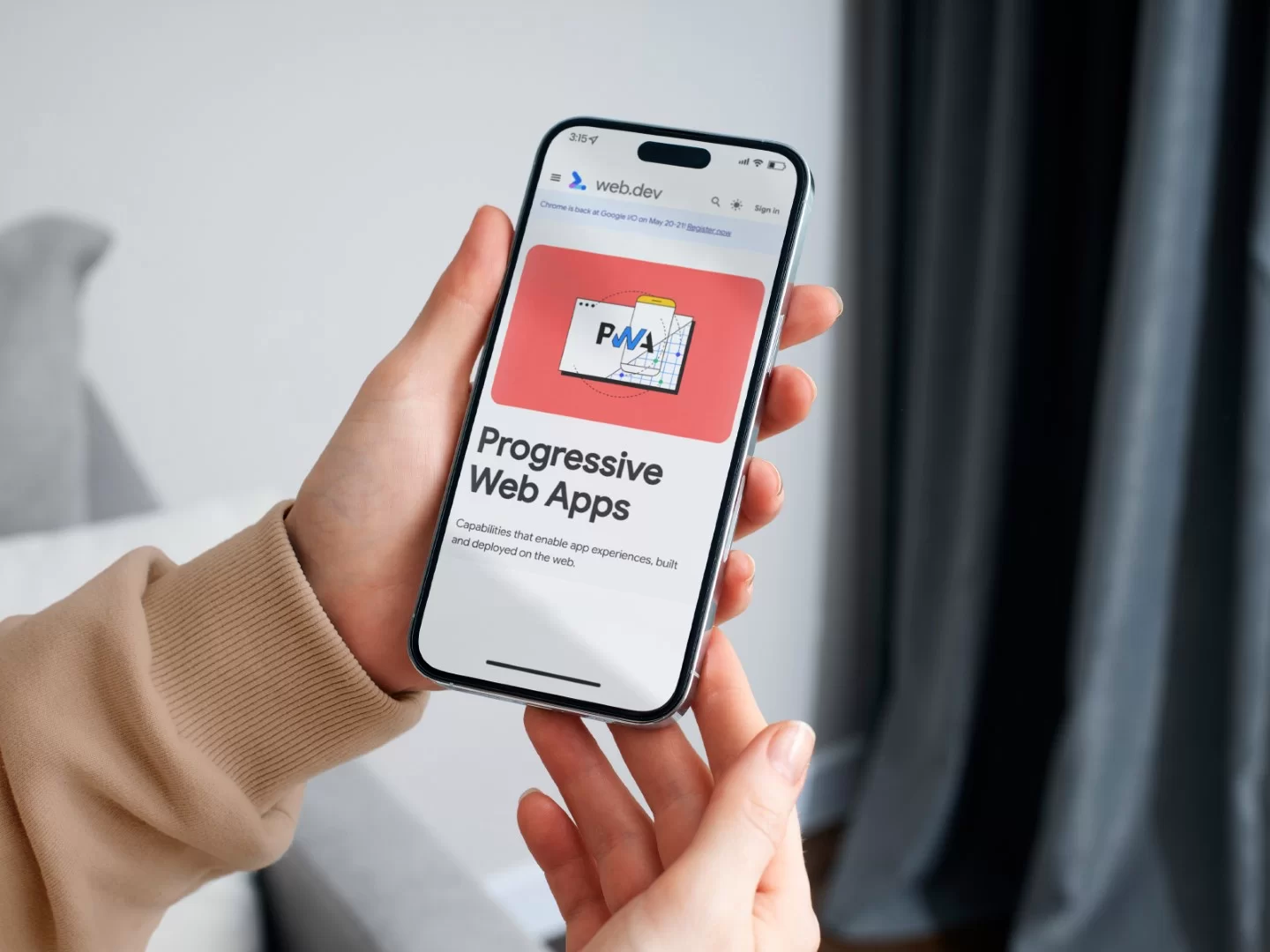
In today’s digital landscape, e-commerce businesses face fierce competition and rapidly evolving consumer expectations. As mobile shopping continues to rise, businesses must adapt to provide seamless user experiences. One innovative solution is adopting Progressive Web Apps (PWAs), which blend the best features of websites and mobile applications. In 2025, e-commerce brands can no longer afford to ignore PWAs; they represent a crucial step toward improving customer engagement, increasing conversion rates, and staying ahead in the market.
What is a Progressive Web App (PWA)?
A Progressive Web App is a type of application software delivered through the web, built using common web technologies including HTML, CSS, and JavaScript. PWAs offer several key features:
- Responsive Design: They work on any device, providing a consistent experience across smartphones, tablets, and desktops.
- Offline Capabilities: PWAs can cache content and allow users to browse even without an internet connection.
- Push Notifications: They can send notifications to users, increasing engagement and retention.
- Fast Load Times: By utilizing service workers, PWAs significantly enhance load speeds and responsiveness.
Unlike traditional web apps, PWAs can be installed on a user’s home screen, making them easily accessible without the need for an app store. This combination of features makes PWAs an attractive option for e-commerce websites.
Trend Insights in 2025
As we move into 2025, the adoption of PWAs is gaining momentum in the e-commerce sector. Recent studies indicate that mobile traffic now accounts for over 70% of e-commerce visits, and consumers expect fast, reliable experiences.
- Increased User Expectations: With the growth of mobile shopping, customers demand fast, reliable, and user-friendly platforms. PWAs meet these expectations by delivering speed and convenience.
- Market Adoption: More brands are embracing PWAs as a core part of their digital strategy, signaling a shift toward mobile-first solutions.
By leveraging PWAs, e-commerce businesses can stay ahead of trends and meet the needs of their increasingly mobile consumer base.
Market Trends and Insights
The market dynamics driving PWA adoption in e-commerce are compelling:
- Improved Performance: Studies show that PWAs can load 4-5 times faster than traditional mobile sites. Faster loading times lead to lower bounce rates and higher conversion rates.
- Increased Engagement: PWAs can boost user engagement by up to 70% through features like push notifications and offline access.
- Global Trends: Brands across the globe are investing in PWAs. According to recent reports, companies using PWAs have seen an increase in conversion rates by as much as 20-30%.
Case studies reveal that e-commerce giants like Alibaba and Flipkart have transitioned to PWAs, experiencing significant enhancements in user engagement and sales. These successes further solidify PWAs as a critical component of modern e-commerce strategy.
The Future of PWAs in E-commerce
As technology evolves, so will PWAs. Here are some anticipated trends for the future:
- Technological Advancements: With the rollout of 5G technology, PWAs will offer even faster load times and more reliable connections, enhancing user experiences.
- Omnichannel Strategies: Businesses will increasingly adopt PWAs as part of a broader omnichannel strategy, providing customers with a seamless shopping experience across devices and platforms.
- Integration with AI: Future PWAs may integrate artificial intelligence to personalize user experiences, recommend products, and provide customer support.
The future of PWAs looks promising, positioning them as a foundational element for e-commerce growth.
Leading Brands Using PWAs in E-commerce
Several major brands have successfully implemented PWAs:
- Alibaba: The Chinese e-commerce giant saw an increase in conversions and user engagement after launching its PWA. The app’s fast load times and offline capabilities significantly improved customer experiences.
- Flipkart: By adopting a PWA, Flipkart reported a 70% increase in conversion rates and a 40% increase in user retention.
- OLX: This classified platform utilized PWAs to deliver faster, app-like experiences, resulting in higher user engagement and satisfaction.
These success stories illustrate the potential impact of PWAs on e-commerce performance and customer loyalty.
How to Convert Your E-commerce Website to a PWA
Converting your e-commerce website to a PWA is a strategic move. Here’s a step-by-step guide:
1. Use a PWA Plugin:
- For WooCommerce: Consider using plugins like “PWA for WP & AMP” or “Super Progressive Web Apps” to simplify the conversion process.
- For Shopify: Apps such as “PWA by AmpifyMe” can help integrate PWA features seamlessly.
2. Implement Service Workers:
- Service workers are scripts that run in the background, enabling offline capabilities and caching strategies. This allows your website to function smoothly even without an internet connection.
3. Create a Web App Manifest:
- This JSON file provides metadata about your app, such as its name, icons, and theme colors, allowing users to add it to their home screen.
4. Ensure HTTPS:
- PWAs require secure connections, so ensure your website is served over HTTPS.
5. Optimize for Performance:
- Conduct performance testing and optimization to enhance load times and responsiveness.
Benefits of PWAs for E-commerce
The advantages of adopting PWAs for e-commerce are numerous:
- Enhanced User Experience: PWAs provide fast, reliable, and engaging experiences, driving customer satisfaction.
- Improved SEO: PWAs are indexed like regular websites, benefiting from SEO optimizations and potentially ranking higher in search results.
- Cost-Effective: Developing a PWA can be more cost-effective than building separate native applications for different platforms.
These benefits make PWAs a strategic choice for e-commerce brands looking to enhance their digital presence.
Conclusion
In conclusion, as e-commerce continues to evolve, supporting PWAs is no longer optional; it’s essential. The insights, trends, and success stories demonstrate the transformative power of PWAs in improving user engagement, boosting conversion rates, and meeting the demands of modern consumers. Brands that adopt PWAs in 2025 will be well-positioned to thrive in a competitive market. Now is the time to invest in PWAs and reap the benefits they offer for your e-commerce website.