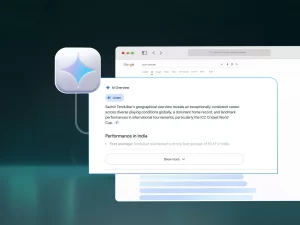
The digital landscape is undergoing a seismic shift. With 70% of enterprise searches now involving AI systems like ChatGPT, Google’s AI Overviews, and Perplexity, how people discover information has transformed. Generative AI platforms no longer merely list links—they synthesize answers, cite sources, and deliver instant insights. For businesses, this means visibility hinges not on traditional search rankings but on becoming a trusted source for AI engines.
Generative Engine Optimization (GEO) emerges as the critical strategy for this new era. Unlike SEO, which targets search engine algorithms, GEO focuses on optimizing content for AI-driven platforms that prioritize authority, clarity, and relevance. As AI reshapes search behavior, adapting to GEO isn’t optional—it’s essential for brands aiming to thrive in a world where 40% of users rely on AI for product comparisons and recommendations.
What is Generative Engine Optimization (GEO)?
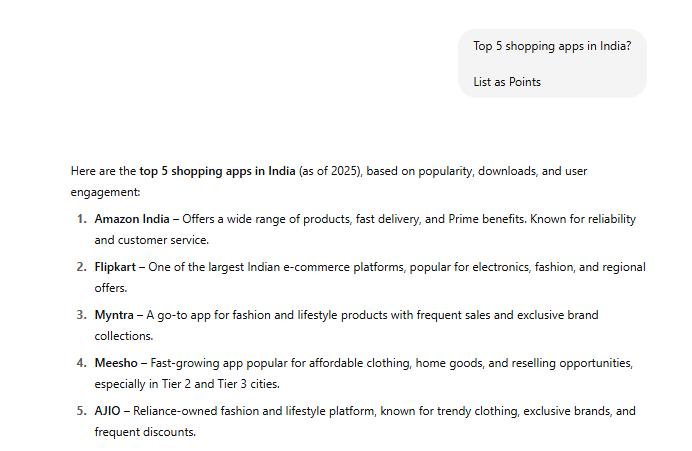
GEO is the process of tailoring content to increase its likelihood of being cited, summarized, or featured by generative AI platforms. These systems, powered by large language models (LLMs), analyze vast datasets to generate human-like responses. For example, when a user asks ChatGPT, “What’s the best CMS for small businesses?” the AI scans sources, identifies authoritative content, and synthesizes an answer—often citing websites directly.
How Generative Engines Work
- Information Synthesis: AI models like Google’s PaLM 2 aggregate data from diverse sources, including websites, academic papers, and industry reports.
- Source Citation: Platforms like Perplexity and Google AI Overviews prioritize content with clear citations, statistics, and expert quotes.
- Direct Answers: Users receive summarized responses, reducing the need to click through multiple links. For instance, AI Overviews now answer 17% of Google searches with zero-click results.
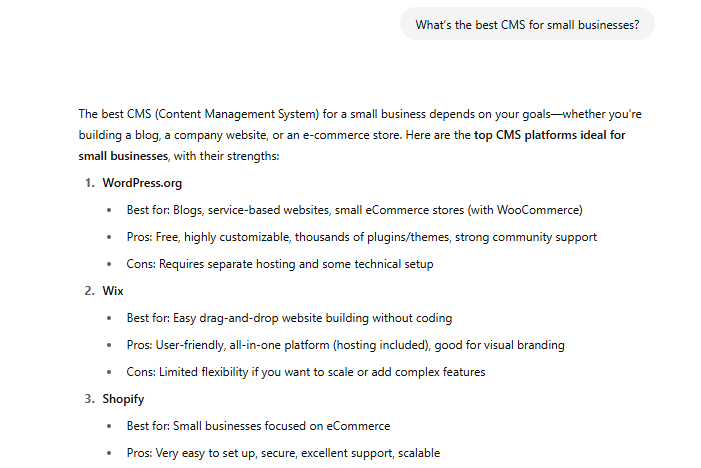
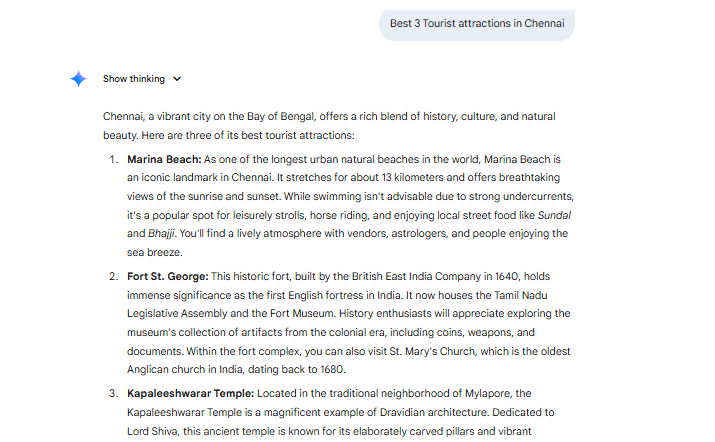
Check the search results on Google Gemini and xAI Grok.
Grok
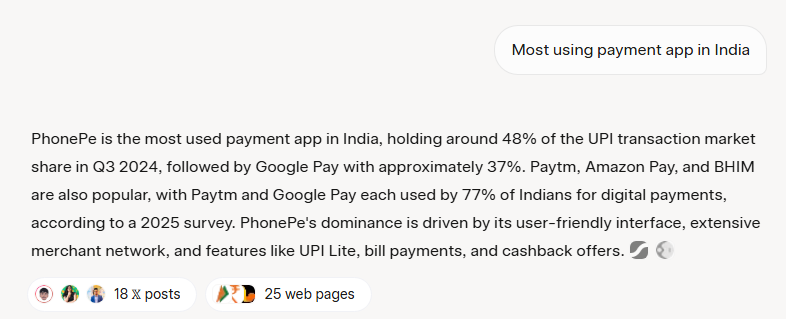
The stakes are clear: if your content isn’t optimized for AI’s preferences, it risks invisibility in the age of instant answers.
GEO vs. SEO: Key Differences
While SEO and GEO share the goal of visibility, their strategies diverge fundamentally:
|
Aspect |
SEO |
GEO |
|
Objective |
Rank higher on SERPs |
Be cited in AI-generated answers |
|
Content Focus |
Keywords, backlinks, meta tags |
Authority, clarity, and source credibility |
|
User Experience |
Users click links for answers |
Users get instant AI summaries |
|
Metrics |
Traffic, rankings, bounce rate |
Citations, mentions, share of voice |
Why SEO Alone Fails: Traditional tactics like keyword stuffing or backlink schemes don’t align with AI’s emphasis on E-E-A-T (Expertise, Experience, Authoritativeness, Trustworthiness). For example, a study found that content with statistics and expert quotes saw a 40% boost in AI citations.
Core Strategies for Generative Engine Optimization
1. Generative AI Research and Analysis
To optimize for GEO, start by reverse-engineering how AI platforms operate:
- Analyze Response Patterns: Input niche queries (e.g., “How to reduce SaaS churn”) into ChatGPT or Perplexity. Note the structure, sources, and data types cited. For instance, AI often prioritizes listicles with stats.
- Track Competitors: Identify brands featured in AI answers for your target keywords. Tools like Scite.ai can reveal which sources AI trusts.
- Semantic Keyword Research: Target long-tail, conversational phrases (e.g., “What’s the ROI of email marketing?”) using tools like Google’s Natural Language API.
2. Optimizing Content for Generative AI
- Answer Specific Questions: Structure content around user intents. For example, “5 Proven Tactics to Lower CAC” outperforms vague titles like “Marketing Tips”.
- Enrich with Semantic Depth: Use latent semantic indexing (LSI) keywords. A post about “sustainable packaging” should include related terms like “biodegradable materials” and “carbon footprint reduction”.
- Leverage Data: Incorporate statistics (e.g., “ChatGPT drives 20% of B2B lead generation”) and cite authoritative sources like McKinsey or Gartner.
3. Building Authority and Credibility
- Expert Contributions: Interview industry leaders and embed their insights. For example, “According to Shopify’s CMO, personalized campaigns boost conversions by 35%.”
- Schema Markup: Use Article or FAQPage schemas to help AI identify key content sections.
- Backlink Quality: Earn links from .edu or .gov sites—AI prioritizes domains with high Domain Authority (DA).
4. Formatting for AI Readability
- Clear Headings: Use H2/H3 tags to denote sections (e.g., “## Why GEO Matters for E-Commerce”).
- Concise Language: Avoid fluff. AI rewards content that’s easy to parse, like “WordPress powers 43% of websites due to its flexibility.”
- Structured Data: Tables, charts, and bullet points (converted to prose) improve scannability.
5. Technical Optimization
- Site Speed: Ensure pages load in <2 seconds; 53% of users abandon slow sites, which AI models also penalize.
- Mobile-First Design: 60% of AI searches occur on mobile.
- Secure Infrastructure: HTTPS and Core Web Vitals compliance signal reliability to AI crawlers.
Practical Tips to Implement GEO
- Adopt a Conversational Tone: Write how users speak. Instead of “Utilize CRM software,” say “How to pick a CRM that saves time.”
- Lead with Value: Front-load key insights. For example, “AI Overviews cite 3–5 sources per answer—here’s how to be one.”
- Update Content Quarterly: AI prioritizes fresh data. A 2025 study found pages updated monthly get 2x more citations.
- Create Resource Hubs: Build pillar pages like “The Ultimate Guide to GEO Metrics” to cover related intents comprehensively.
Measuring GEO Success
Forget CTRs—GEO demands new KPIs:
- Citations: Track how often AI links to your content (e.g., using Mention.com).
- Share of Voice: Calculate your brand’s mentions vs. competitors in AI answers.
- Authority Score: Tools like Clearscope now rate content for AI-friendliness.
Example: A B2B SaaS company saw a 30% increase in demo requests after optimizing for GEO, with ChatGPT citing their pricing guide in 15% of relevant queries.
The Future of Search: Why GEO is a Must for Your Brand
By 2026, 90% of searches could involve generative AI. Brands ignoring GEO risk obsolescence, while early adopters gain:
- Lower CAC: AI citations drive organic visibility without ad spend.
- Enhanced Trust: Being cited by AI positions you as an industry leader.
- Future-Proofing: As Google’s SGE expands, GEO-aligned content will dominate.

Conclusion
Generative Engine Optimization isn’t a trend—it’s the blueprint for survival in AI-driven search. By prioritizing authority, clarity, and technical excellence, your content can become the go-to source for ChatGPT, Perplexity, and beyond.